Roof flashing is a thin layer of waterproof material that creates a protective barrier around vulnerable areas where water could potentially enter your roof structure. Every homeowner should understand how flashing installation and maintenance directly impact their property’s long-term value and structural integrity.
Water damage is one of the most expensive threats to residential properties, often starting with small leaks that turn into major structural problems. Roof flashing serves as your home’s primary defense system against these issues by redirecting water away from joints, seams, and transitions in your roofing materials. Without adequate flashing protection, even minor storms can lead to expensive repairs affecting insulation, ceilings, and interior finishes.
Roof flashing benefits for homeowners extend beyond simple leak prevention. Quality flashing systems preserve the underlying roof deck, prevent mold growth, and maintain energy efficiency by keeping moisture out of insulation materials. Understanding different roof flashing types and materials helps property owners protect their investment over time. Regular flashing maintenance ensures these protective benefits continue working effectively year after year, safeguarding both your home and your finances.
The Main Advantage: Stopping Water Damage Before It Starts
Roof flashing creates essential waterproof barriers around the most vulnerable areas of your roofing system, including joints, chimneys, skylights, and vents. These transition points are the highest risk locations for water infiltration because they interrupt the continuous surface of your roofing materials. Quality flashing installation redirects water away from these areas, preventing moisture from seeping into your home’s structural components.
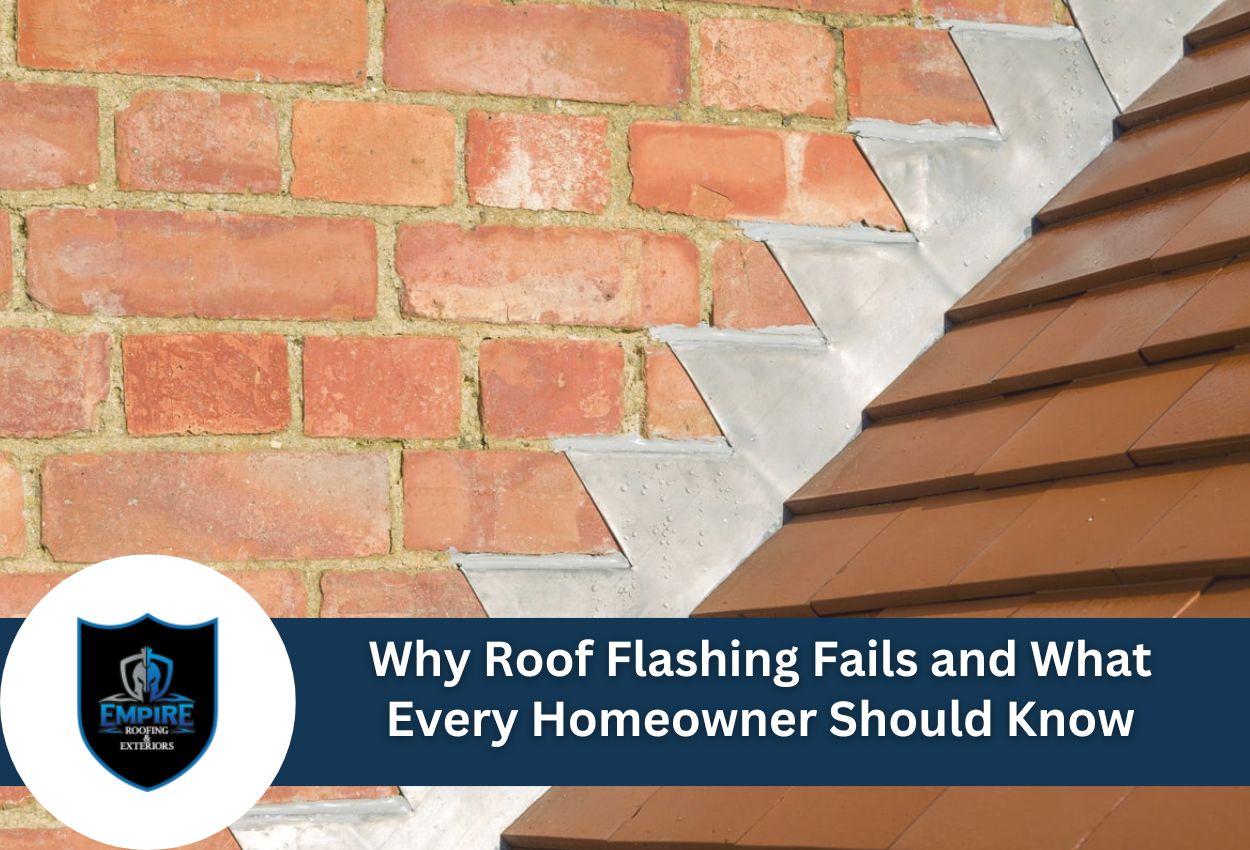
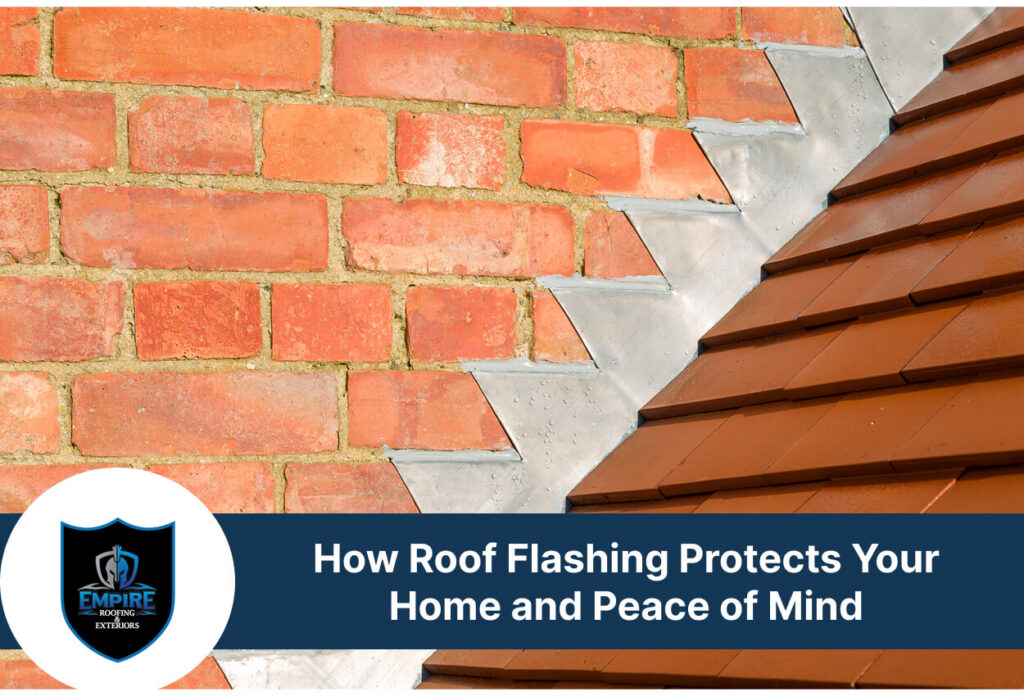
Different roof flashing types serve specific functions throughout your roofing system. Step flashing protects wall-to-roof joints, while chimney flashing creates multiple layers of protection around masonry. Valley flashing channels water away from roof intersections, and pipe boot flashing seals around vents.
The financial consequences of inadequate flashing protection can be devastating for homeowners. Leaks can lead to rotted roof decking, damaged insulation, interior ceiling and wall repairs, and potential mold remediation. These repairs often cost thousands of dollars and could have been prevented with proper flashing installation and regular maintenance. Understanding the importance of flashing helps homeowners recognize why investing in quality materials and professional installation protects their property and prevents expensive emergency repairs down the road.
Different Flashing Materials and Which Works Best for Your Home
The flashing material you choose impacts your roof’s long-term performance and water protection. Aluminum flashing offers excellent corrosion resistance and lighter weight, making it suitable for most residential applications. This material expands and contracts well with temperature changes while maintaining its waterproof seal. Copper flashing provides superior longevity and develops a protective patina over time, though it requires careful installation to prevent galvanic corrosion when paired with steel fasteners.
Steel flashing delivers exceptional durability and strength, particularly around heavy-traffic areas like chimneys and large vents. Galvanized steel resists rust formation and handles extreme weather conditions effectively. Synthetic flashing materials, including rubber and modified bitumen options, offer flexibility and ease of installation while providing reliable waterproof barriers. All these roof flashing materials have advantages depending on your specific roofing needs and environmental conditions.
The local climate influences which material provides optimal roof leak prevention. Coastal areas with salt air exposure benefit from aluminum or synthetic options that resist corrosion. Regions with extreme temperature fluctuations require materials that handle thermal expansion without cracking or separating. Your roof type also influences material choice, as metal roofing systems work best with matching metal flashing, while asphalt shingle installations typically pair well with aluminum or synthetic alternatives. Proper material selection ensures your flashing delivers maximum protection and longevity for your specific home.
Why Professional Installation Makes All the Difference in Flashing Performance
Professional installation techniques determine whether roof flashing provides decades of reliable protection or fails within a few years of installation. Skilled contractors understand how to create proper overlaps, so each piece of flashing directs water to the next component without vulnerable gaps. They know precise measurement techniques and cutting angles that create seamless transitions around complex roof penetrations. Professional installers also use appropriate fastener spacing and sealing methods that accommodate thermal expansion while maintaining watertight seals.
Critical installation details separate professional work from amateur attempts. Proper underlayment integration ensures flashing works in harmony with your entire roofing system rather than creating conflicting water flow patterns. Experienced contractors install kickout flashing at wall terminations and use cricket installations behind large penetrations to prevent water pooling. They understand how different roof flashing types and materials require specific installation sequences and compatible sealants for optimal performance.
Common installation mistakes create expensive problems that compromise the roof flashing benefits for homeowners. Improper overlap direction allows water to flow backward under flashing pieces, while inadequate fastening leads to wind uplift and separation. Using incompatible materials causes galvanic corrosion that destroys flashing integrity over time. Poor sealant application or incorrect product selection results in premature failure and water infiltration. These installation errors turn quality flashing into ineffective components that fail to prevent water damage, emphasizing why professional expertise is essential.
Maintenance Steps to Keep Your Flashing Working Properly
Regular flashing inspections allow homeowners to identify potential problems before they cause extensive water damage. Visual inspection from ground level can reveal obvious issues like loose or missing flashing pieces, rust stains, or damaged sealant. Homeowners should examine flashing areas after severe weather, looking for bent or displaced sections that could compromise water protection. Interior inspections during heavy rainfall can reveal active leaks or water stains that indicate flashing failure requiring immediate attention.
Seasonal maintenance tasks help preserve flashing performance throughout changing weather conditions. Spring inspections should focus on looking for winter damage, including the effects of ice dams and thermal expansion. Fall maintenance involves clearing debris from flashing areas and making sure drainage paths remain unobstructed. Homeowners should monitor sealant condition around penetrations and watch for cracking or separation that allows moisture infiltration. These proactive flashing maintenance tips help extend the system’s lifespan and maintain effective roof leak prevention.
Warning signs that indicate professional intervention is necessary include persistent leaks despite apparent flashing integrity, multiple rust spots or corrosion patterns, and separation between flashing components. Interior water stains that reappear after repairs suggest underlying flashing problems and require expert diagnosis. When flashing shows significant weathering, has reached the end of its expected lifespan, or exhibits multiple problem areas, replacement becomes more cost-effective than continued repairs. A professional assessment can help you decide which option is best and prevent the damage from escalating and compromising the roof.
How Quality Flashing Extends Your Roof’s Life and Saves Money
Quality flashing installation acts as a protective shield that reduces stress and deterioration on surrounding roofing components. When flashing effectively channels water away from vulnerable areas, it prevents moisture from reaching the roof decking, underlayment, and structural supports. This protection maintains the integrity of these expensive components and prevents the accelerated aging that occurs when water infiltrates the roofing system. Properly functioning flashing also protects insulation materials from moisture damage, helping maintain energy efficiency and preventing the replacement of saturated insulation.
The financial advantages of investing in superior flashing materials and professional installation become apparent over time through reduced repairs and extended roof lifespan. Homeowners who choose quality flashing systems typically delay complete roof replacement by several years compared to those dealing with repeated leak issues. This delay translates into significant savings as roof replacement costs continue rising. Quality flashing also prevents secondary damage to interior finishes, electrical systems, and personal belongings that result from water infiltration.
Comparing the investment in premium flashing against repeated emergency repairs reveals substantial long-term savings. Emergency leak repairs often cost several times more than preventive flashing maintenance due to urgency pricing and additional damage restoration. Quality flashing systems require minimal maintenance while providing consistent protection, whereas inferior installations need frequent attention and unexpected repairs. The roof flashing benefits for homeowners include predictable maintenance costs and protection against expensive water damage that could impact insurance rates and property values.
Making Smart Decisions About Flashing for Your Baton Rouge Home
Louisiana’s unique climate creates specific challenges that homeowners must consider when selecting and maintaining roof flashing systems. The combination of intense summer heat, frequent thunderstorms, and high humidity levels places excess stress on flashing materials and installation methods. Understanding these regional factors helps property owners ensure their home’s long-term protection against water damage and structural deterioration.
The subtropical climate in Baton Rouge accelerates material degradation through constant temperature fluctuations and moisture exposure. Metal flashing expands and contracts repeatedly during summer, potentially creating gaps in protective seals. High humidity levels promote corrosion in steel components while encouraging mold growth in areas where minor leaks develop. Frequent severe weather events test flashing systems with driving rain and strong winds that can displace poorly installed components. These conditions require careful material selection and enhanced installation techniques to maintain effective roof leak prevention.
Experienced local roofing contractors can help you choose materials and use installation methods suited to regional conditions. Qualified contractors understand which roof flashing types and materials perform best in Louisiana. They recognize flashing challenges specific to Gulf Coast weather patterns and use appropriate sealants and fasteners that withstand local conditions. Homeowners should verify contractor licenses, insurance coverage, and local references before beginning flashing projects. Clear communication about warranty terms, maintenance requirements, and inspection schedules creates realistic expectations and protects your investment in quality flashing.
Protect Your Baton Rouge Home with Expert Flashing Installation
Don’t wait for water damage to show you the importance of roof flashing. At Empire Roofing & Exteriors, we understand the critical role flashing plays in guarding your home from leaks and structural damage. Whether it’s around chimneys, roof joints, or other vulnerable areas, our professional installation guarantees your home stays dry and damage-free.
Choosing the right material, be it aluminum, copper, steel, or a synthetic option, is crucial, and our experts are here to guide you based on your specific needs and Baton Rouge’s climate. Call us today at (225) 347-8877 to learn more about our flashing services and ensure your roof is equipped with high-quality flashing.