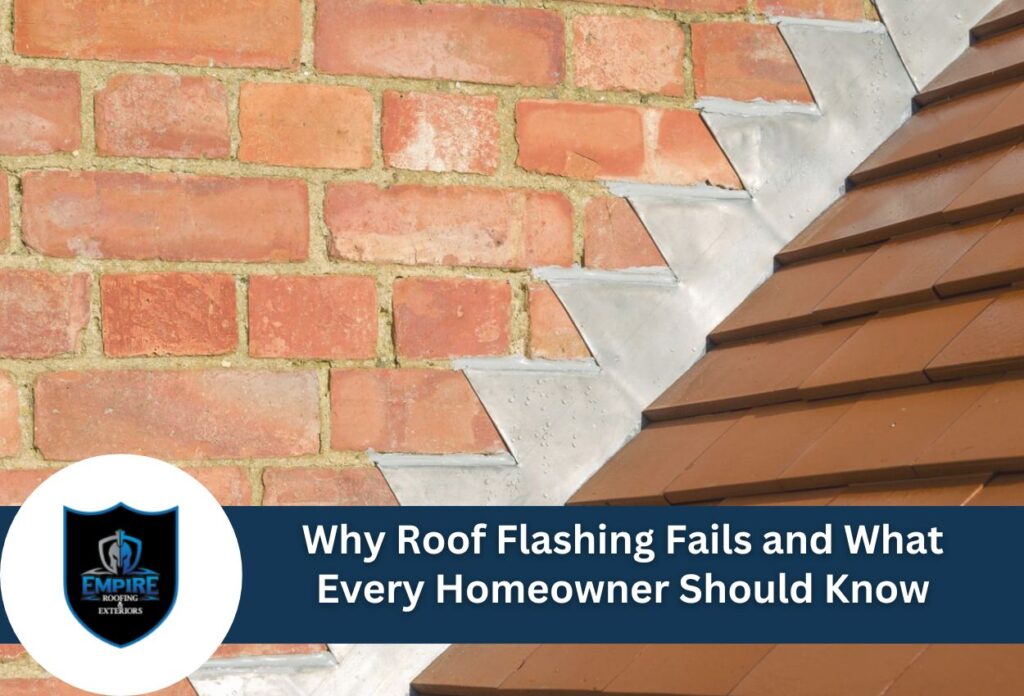

Roof flashing failure stands as one of the most overlooked yet critical threats to your home. These thin metal strips and barriers work tirelessly to redirect water away from vulnerable roof joints, chimneys, and valleys where different materials meet. When flashing systems break down, water finds its way into homes, causing damage that often goes unnoticed until significant problems develop.
Understanding the common causes behind flashing deterioration helps homeowners recognize warning signs before expensive restoration is needed. Age naturally weakens flashing materials, causing them to crack, corrode, or pull away from their original positions. Poor installation practices during initial construction or repairs create immediate vulnerabilities that worsen over time.
Weather conditions accelerate these breakdown processes significantly. Intense heat causes metal flashing to expand and contract repeatedly, loosening fasteners and creating gaps. Heavy rainfall tests every seal and joint, while strong winds lift edges and expose underlying materials to moisture. Valley flashing deterioration often occurs first in areas where water flow concentrates during storms.
Chimney flashing repair is one of the most common issues homeowners face, as the junction between brick and roofing materials experiences constant thermal stress. Different types of roof flashing serve specific purposes, and each faces unique challenges that affect longevity. Roof leak detection starts with understanding these vulnerable points and monitoring them regularly for signs of compromise.
Warning Signs Your Roof Flashing Is Starting to Fail
Recognizing early warning signs of flashing problems can prevent water damage and extensive repairs. Several visual indicators become apparent during routine inspections or when viewed from ground level, signaling that flashing systems may be compromising your roof’s protection.
From the exterior, look for visible rust stains, loose or bent flashing sections, and gaps where metal pieces have pulled away from the roof. Chimney flashing repair often becomes necessary when white staining appears on brick surfaces, indicating water is seeping behind the material. Valley flashing deterioration shows up as dark streaks, missing granules, or exposed metal edges.
Interior damage often appears before homeowners spot exterior problems. Water stains on ceilings near chimneys, dormers, or roof valleys indicate active flashing problems requiring immediate attention. Musty odors in attics suggest moisture infiltration that may stem from flashing installation problems or deteriorated seals.
Peeling paint or wallpaper near rooflines, discolored ceilings, and soft spots in drywall all point to ongoing water intrusion through compromised flashing systems. Different types of roof flashing fail in specific patterns, making leak detection essential for identifying problem areas before they cause structural damage. Early intervention prevents minor flashing issues from developing into roofing emergencies that require extensive repairs.
Different Flashing Materials and Their Weak Points
Understanding the characteristics of different flashing materials helps homeowners identify potential problems before they compromise the roof’s integrity. Aluminum flashing is lightweight and has natural corrosion resistance, making it a popular choice for many roofing applications. However, aluminum expands and contracts with temperature fluctuations, creating stress at fastener points that can lead to loosening and separation over time. The material also becomes brittle with age, making it prone to cracking during severe weather events.
Copper flashing provides exceptional longevity and develops a protective patina that enhances its resistance to corrosion. Despite these advantages, copper costs considerably more than other materials and requires careful installation to prevent galvanic corrosion when it contacts dissimilar metals. Over decades, copper can develop pinhole leaks through gradual wear, particularly in areas with high water flow concentration.
Galvanized steel flashing delivers strength and affordability but remains vulnerable to rust formation once the protective zinc coating deteriorates. This material performs well initially but shows rapid decline when exposed to constant moisture, making flashing deterioration a common concern in steel installations. All roof flashing materials respond differently to environmental stresses, affecting their performance and maintenance requirements.
Flashing repair often involves replacing deteriorated materials with more suitable options for the local climate and performance requirements. Proper roof leak detection includes evaluating material condition and identifying areas where material weaknesses may create future vulnerabilities.
Chimney and Vents Areas Where Problems Start
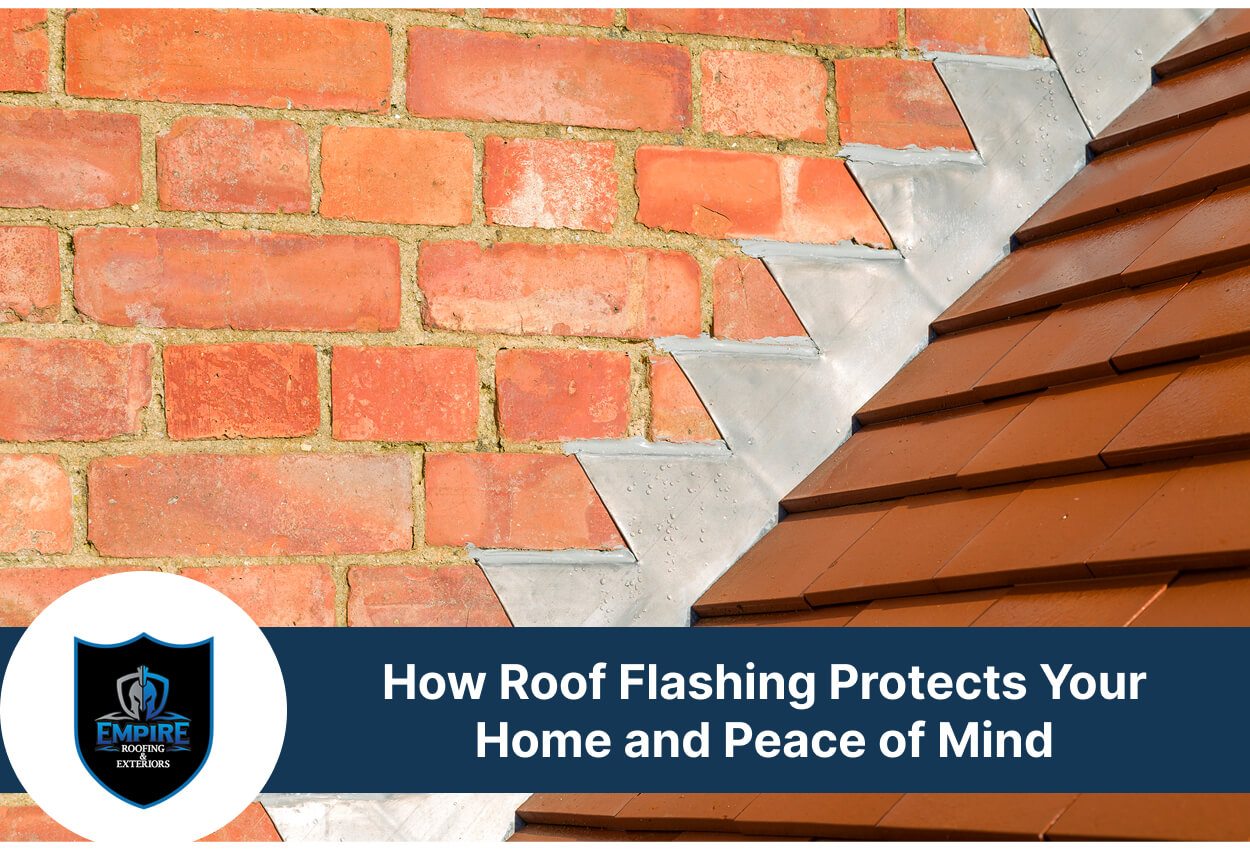
Chimneys are one of the most vulnerable points on any roof system due to the complex intersection of different materials and constant thermal expansion. The junction between masonry and roofing materials creates multiple failure points where step flashing, counter flashing, and mortar joints must work together to prevent water infiltration. When these components fail, water can get behind the flashing system and travel along hidden pathways into the home’s interior.
Step flashing along chimney sides fails most frequently when individual pieces separate from the roof deck or pull away from mortar joints. Mortar deterioration allows water to seep behind counter flashing, while freeze-thaw cycles cause additional cracking and separation. The constant heating and cooling of chimney structures creates movement that stresses flashing connections, leading to gaps that compromise the entire waterproofing system.
Vent pipes, skylights, and other roof penetrations create similar weak spots where different materials meet and move at different rates. Rubber boot seals around vent pipes crack and shrink over time, while skylight flashing systems face challenges from both structural movement and concentrated water flow. Each hole in the roof represents a potential entry point where flashing installation problems can develop into serious leak issues.
These areas require specialized flashing techniques and materials to maintain long-term water resistance. Flashing deterioration often begins near vents and pipes where water flow patterns change and debris accumulation occurs. Understanding these vulnerable zones helps property owners focus roof leak detection efforts on areas where problems most commonly develop.
Valley Areas and Complex Roof Sections That Cause Headaches
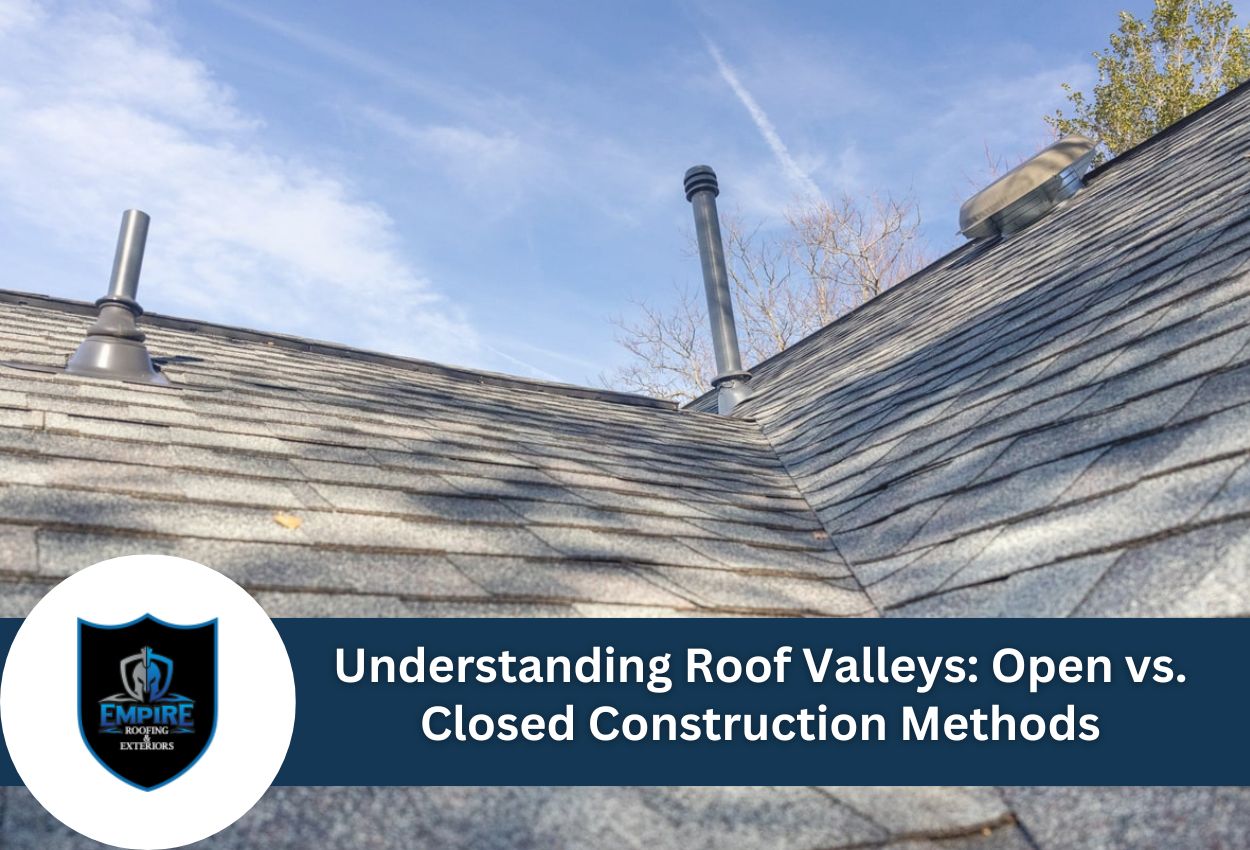
Roof valleys create natural water highways that channel tremendous volumes of runoff during storms, placing extraordinary stress on flashing systems installed in these critical areas. The concentrated water flow accelerates wear patterns and exposes flashing materials to constant moisture. Valley flashing deterioration occurs more rapidly than flashing in other roof areas due to this intensified water exposure and the debris that naturally accumulates in valley channels.
Complex architectural features like dormers, bay windows, and roof transitions multiply the potential failure points where different roofing planes intersect. These areas require intricate flashing installation techniques that create multiple opportunities for errors and future maintenance challenges. Flashing installation problems are more likely when contractors must work around complex angles, multiple material transitions, and tight spaces that make proper sealing difficult to achieve.
Dormers present particularly challenging scenarios where vertical walls meet sloped roofing surfaces, creating step flashing requirements that must accommodate different expansion rates between materials. The upper portions of dormer walls receive direct weather exposure while lower sections experience concentrated water flow from roof surfaces above. This combination stresses different types of roof flashing simultaneously, often overwhelming the protective capacity of standard installation methods.
These complex roof sections need close attention, as problems in valley areas and architectural transitions can spread rapidly through interconnected flashing systems. Understanding these vulnerable zones helps identify where repair techniques may need to be adapted for similar complex roofing situations.
Poor Installation Practices That Lead to Early Failure
Rushed installation schedules and cost-cutting measures during roofing projects create the foundation for premature flashing failures that plague homeowners within just a few years. Contractors who skip essential preparation steps or use inadequate fastening techniques set up flashing systems for rapid deterioration under normal weather conditions. These shortcuts may save time during installation, but inevitably result in expensive flashing repair and replacement work much sooner than properly installed systems would require.
Improper overlap spacing is one of the most common flashing installation problems that contractors create through careless workmanship. When step flashing pieces overlap insufficiently or leave gaps between sections, water finds direct pathways into the building. Valley flashing deterioration accelerates dramatically when installers fail to create proper water channels or secure flashing edges adequately to prevent wind uplift and separation.
Wrong material selection compounds installation errors by introducing incompatible metals or inappropriate gauges that cannot withstand local weather conditions. Some contractors choose materials based solely on cost rather than performance requirements, leading to galvanic corrosion, premature cracking, or insufficient strength for the application. These material mismatches create systematic weaknesses throughout the flashing system that affect multiple roof areas simultaneously.
Inadequate fastening patterns and improper sealant application create immediate vulnerabilities that worsen with each weather cycle. When multiple failure points are found across different types of roof flashing, poor installation practices during the original work usually bear responsibility.
Prevention Strategies and When to Call a Professional
Regular maintenance and proactive monitoring help extend the life of flashing materials and prevent minor issues from worsening. Homeowners should inspect flashing systems twice yearly, checking for loose sections, rust stains, or gaps where water might enter. Clean gutters and valleys regularly to prevent debris buildup that traps moisture against flashing materials and accelerates deterioration.
Simple preventive steps include removing leaves and debris from roof valleys where deterioration commonly begins, and ensuring proper attic ventilation to minimize condensation that can affect flashing performance from the interior. Check caulk lines around vents annually and reapply sealants when cracks or separation appear. These basic maintenance practices catch problems early when repairs remain simple and affordable.
Certain situations require immediate professional intervention rather than homeowner maintenance efforts. Water stains appearing on interior ceilings, loose or missing flashing sections visible from ground level, and rust stains running down exterior walls indicate active roof flashing failure that needs expert attention. Additionally, multiple leak locations or recurring problems after previous repairs suggest systematic issues requiring comprehensive evaluation by experienced contractors.
When selecting roofing contractors for flashing repairs, confirm their licensing and insurance coverage while requesting references from recent flashing repair projects. Quality contractors explain different types of roof flashing and provide detailed estimates outlining specific materials and installation methods. Professional roof leak detection services identify hidden problems that untrained inspections often miss, preventing future surprises and ensuring comprehensive repairs.
Protect Your Home with Expert Roof Flashing Services from Empire Roofing & Exteriors
If there are any signs of roof flashing failure in your home, such as water stains, musty odors, or visible damage, it’s time to call a professional for help. At Empire Roofing & Exteriors, we specialize in identifying and repairing all types of roof flashing problems so your home stays safe and dry. Louisiana’s unique weather conditions can accelerate roof deterioration, making regular checks and maintenance essential.
Reach out to us today at (225) 347-8877 and schedule a roof inspection. Our experienced team is equipped to handle everything from chimney flashing repair to complex roof assessments. Trust Empire Roofing & Exteriors to extend the life of your roof and protect your home.