Louisiana's Premier Roofing Contractor

Storm Damage Roof Repair in Central, LA

4.9 Stars - Based on 217 User Reviews

Central sits squarely in Gulf South storm country, and that means your roof takes a beating that most parts of the country never see. Summer temperatures push well into the 90s, humidity is relentless, and the area sees heavy rainfall throughout much of the year. Thunderstorms roll through with little warning, bringing wind-driven rain, hail, and sustained downpours that test every seam, flashing transition, and shingle edge on your roof. What makes this market especially challenging is that the damage is often hidden. Water can travel under roofing layers for days before a ceiling stain or drip makes itself known inside, and heat combined with humidity quietly breaks down sealants and adhesive bonds long before a storm ever arrives.

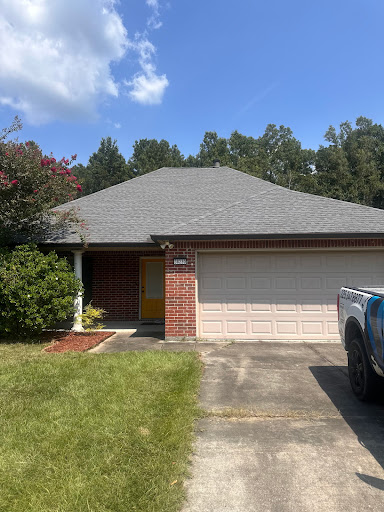
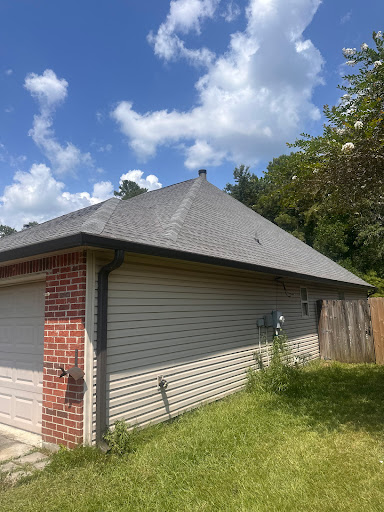
The suburban housing stock in Central adds another layer of complexity. Many homes here feature multiple roof planes, attached garages, and intersecting roof lines, and every one of those transitions is a potential entry point after a severe storm. Missing or lifted shingles, cracked flashing around vents and chimneys, and damaged underlayment are all common findings after wind and hail storms in this area. Left unaddressed, those small openings allow moisture to reach the roof decking and attic structure, where the real damage adds up quietly over time.

Empire Roofing and Exteriors works specifically in this market and understands the storm patterns, the housing types, and the way damage shows up here. A complete roof inspection after any significant storm can reveal what is not visible from the ground and put you in a position to act before a minor repair turns into something far more involved.

How Storm Damage Roof Repair Works in Central, LA

After a storm passes through, it is not always easy to tell how much damage a roof has actually sustained. Some problems are obvious, while others remain hidden until water finds its way inside. Knowing how the repair process works can help homeowners move forward with a clear understanding of what needs attention and why.

  • Step 1: Full Roof Inspection
    The first step is evaluating the entire roofing system for signs of storm-related damage. Roofing materials, flashing, valleys, ridges, vents, soffits, and other important areas are examined for issues caused by wind, hail, or heavy rain. The attic and roof deck are also reviewed when necessary to identify moisture concerns that may not be visible from the exterior.
  • Step 2: Review of Inspection Results
    Once the inspection is complete, the findings are explained in clear, straightforward terms. Areas showing damage, sections affected by normal wear, and portions of the roof that remain in good condition are all discussed. If repairs can resolve the problem, that option is presented rather than recommending work that is not needed.
  • Step 3: Written Repair Proposal
    Based on the inspection results, a detailed estimate is prepared outlining the repairs required. Whether the project involves replacing damaged roofing materials, repairing flashing, or correcting issues beneath the surface, each part of the work is clearly defined so there is a full understanding of the project before it begins.
  • Step 4: Repair Work
    The repair process focuses on restoring the roof's ability to protect the home from future weather conditions. Materials are selected to match the existing roof whenever possible, and repairs are completed with attention to proper installation methods. Depending on the amount of damage present, many storm repair projects can be completed in a single day.
  • Step 5: Final Review
    After the repairs have been completed, the finished work is inspected to verify that all identified issues have been properly addressed. A final walkthrough allows you to review the completed repairs, ask questions about the work performed, and confirm the project is complete before the job is closed.

What Storm Damage Looks Like in Central, LA

Storm damage rarely announces itself in obvious ways, and that is especially true in this part of Louisiana. Heat and humidity wear down roofing materials gradually, so when a storm hits, it often pushes already-stressed areas past the point of failure. Knowing where damage tends to concentrate helps you understand what a post-storm inspection is actually looking for on your home.

Damage Type Common Location What It Can Lead To
Lifted or missing shingles Ridges and roof edges Exposed underlayment, roof deck leaks
Hail punctures or creasing Field shingles, flat sections Accelerated shingle breakdown
Flashing separation or seal failure Chimneys, vents, valleys Water reaching attic framing
Damaged or clogged soffits Roof perimeter and overhangs Trapped moisture and wood rot

Homes with multiple roof planes and attached garages have more seams and transitions, which means more places where wind-driven rain can find its way in. Because water can travel under roofing layers before showing up inside, visible ceiling stains or drips are often a delayed sign of damage that started at the surface. A complete inspection that covers the attic, roof decking, and all flashing transitions gives you a clear picture of what the storm actually left behind.

Shingle-Level Repair Matched to the Damage

Not every storm repair calls for a full section replacement. Depending on what the inspection turns up, work may involve replacing individual lifted or missing shingles, patching creased field shingles from hail impact, or re-sealing edges where the adhesive bond has failed under wind stress. Getting the repair scale right means your roof gets what it actually needs, not a blanket approach that adds unnecessary cost.

Flashing Repair at High-Risk Transition Points

Chimneys, pipe vents, valleys, and roof-to-wall joints are where flashing failures tend to cause the most trouble after a storm, especially on homes with multiple roof lines and attached garages. Empire Roofing and Exteriors addresses flashing separation, lifted metal, and failed sealant at these transitions directly, because leaving them open after a repair means the shingle work above them won't hold up against the next round of Gulf South weather.

Roof Decking and Underlayment Review Where Storm Stress Is Greatest

Wind-driven rain and prolonged moisture exposure in this climate can compromise the underlayment and roof decking well before a leak ever reaches your ceiling. Where surface damage indicates deeper gaps, we check the layers beneath to confirm the repair will hold, because sealing over wet or softened roof decking only delays a larger problem.

Soffit and Perimeter Condition Check After High Winds

Strong winds in Central frequently damage soffits and roof overhangs, and these areas are easy to overlook when visible shingle damage draws attention elsewhere. Damaged or displaced soffits allow heat, humidity, and pests to reach the attic space, which can quickly add up in this climate. Addressing perimeter damage as part of the repair keeps your roofing system working as a whole, not just at the surface level.

Get Storm Damage Repaired on Your Roof in Central, LA

Living in the Baton Rouge metro area means your roof is up against some of the most demanding weather conditions in the country. Gulf moisture, intense thunderstorms, and a long stretch of active storm season put real stress on roofing materials year after year. Addressing damage after a storm protects your home from the kind of hidden moisture problems that quietly add up before they ever show up inside, and it keeps a manageable repair from growing into something far more involved and expensive down the road.

Empire Roofing and Exteriors knows this market, the housing types, and the way storm damage behaves in this climate. Whether your roof took a hit last week or you want a complete inspection before the next storm season ramps up, the team is ready to take a look and give you a clear picture of where things stand. Reach out whenever you are ready to get started.

Frequently Asked Questions

Got questions about your roof? We’ve got answers. From maintenance tips to insurance claims and repair timelines, our FAQ section covers the most common concerns homeowners have. Get informed and make confident decisions about protecting your home.

Why do some leaks not show up until days after a storm passes?

Water rarely travels in a straight line once it gets under a roofing layer. It follows the path of least resistance across the underlayment or roof decking before finding a gap that lets it into your attic or ceiling, and that journey can take anywhere from a day to several days, depending on how much water entered and where the damage is located. In Central's heat and humidity, that trapped moisture can also soften roof decking and soak insulation long before you notice any sign of it inside. That delay is exactly why a post-storm inspection should go beyond the surface and include a look at the attic and roof decking as well.

Does the age and condition of my roof before a storm affect how much repair work is actually needed?

It has a significant effect. Louisiana's heat, humidity, and UV exposure break down shingle adhesives and sealants over time, so a roof that already has weathered or brittle materials going into a storm will sustain more extensive damage than a newer one hit by the same wind or hail. What looks like a straightforward shingle replacement on an older roof can turn into a more involved repair once the underlying layers are exposed and show pre-existing moisture damage or sealant failure. Getting a clear picture of your roof's overall condition during the inspection helps set the right expectations for the scale of work before any repairs begin.

Do homes with attached garages and multiple roof lines really need more attention after a storm, or is that a concern for larger houses only?

Roof size is less relevant than the number of transitions and seams, and that is where attached garages and intersecting roof lines create real vulnerability, regardless of a home's overall square footage. Every valley, roof-to-wall joint, and change in pitch is a point where flashing is doing the work of keeping water out, and those transitions are exactly where wind-driven rain in a Gulf South storm tends to force its way in. Even a modest suburban home with an attached garage has several of these high-risk points that need to be checked individually after any significant storm. Overlooking them because the main roof field looks intact is one of the more common reasons a repair gets missed until water damage is already present inside.

Storm Damage Roof Repair in Central, LA

Hear From

Our Happy Customers

view All testimonials
Vector
Truck-Mock-Up

Get in Touch

Contact Empire Roofing & Exteriors

We’re easy to work with!

1

Hassle-Free Process

At Empire Roofing & Exteriors, we make the process of roofing and gutter services simple and stress-free for you.

2

Written Guarantee

Trust in our commitment to deliver exceptional roofing and gutter services, backed by a written guarantee for your peace of mind.

3

Durability Assurance

With our roof installation service, we assure you your roof will possess the durability it needs to endure the elements for years to come.


get a free quote

Storm Damage Roof Repair in Central, LA

Hero Form

This field is for validation purposes and should be left unchanged.

By submitting, you allow Empire Roofing & Exteriors to contact you by phone, email, or text for more information. You can opt-out at any time. We will never share your personal information with third parties. Standard message/data rates may apply, and your consent is not tied to making a purchase.

Our Certifications

Aiospro diamond level badge featuring a stylized diamond and house design. GAF Certified Plus residential roofing contractor badge. Facebook five-star rating graphic Five-star Google rating, 5.0