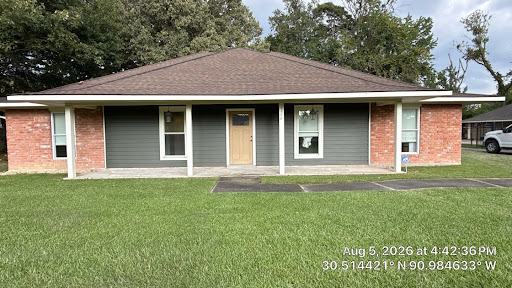
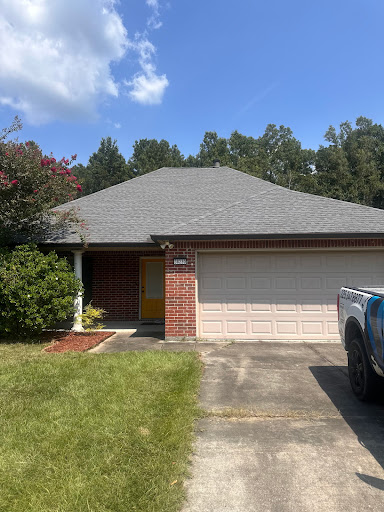
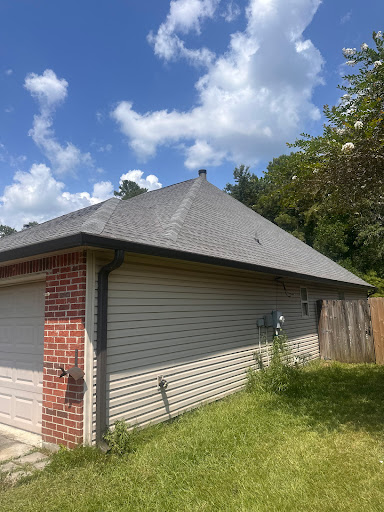
At Empire Roofing & Exteriors, we make the process of roofing and gutter services simple and stress-free for you.

Protecting Your Empire
Baton Rouge sits in a part of Louisiana where the weather rarely gives roofs a break. Long summers with intense heat and humidity, combined with a storm season that can bring high winds, hail, and heavy rainfall, put real pressure on residential and commercial roofs throughout the year. The area sees around 60 inches of annual rainfall spread across well over 150 days of precipitation, and that doesn't account for the tropical systems that occasionally push through with enough force to lift shingles, crack flashing, and leave behind damage that isn't always obvious from the ground. Left unaddressed, even a small area of compromised roofing can open the door to leaks, interior water stains, and accelerated wear that turns a minor repair into something much more involved.
Storm damage here doesn't always look dramatic. Hail can bruise asphalt shingles or knock loose the granules that protect them without leaving a visible hole. Wind can lift shingle tabs or loosen edge flashing in ways that only show up as a leak weeks later. That's exactly why having a contractor who understands local conditions matters. Empire Roofing and Exteriors works with homeowners and property owners across Baton Rouge to inspect roofs after major weather, identify both visible and hidden damage, and make targeted repairs before that damage adds up. Whether the concern is missing shingles, failed flashing around a vent or chimney, or subtle hail bruising, the goal is the same: restore the protection your roof is supposed to provide.
Storm damage often feels more stressful when you are unsure what actually happens next. Here is how the process typically works from the first call through to the completed repair.
Storm damage isn't always where you expect it. After wind and hail storms in Baton Rouge, some of the most serious damage happens in spots that don't get a second look until a leak shows up inside the house or water stains appear on the ceiling. Knowing what to watch for helps you act before a small issue gets worse in the heat and humidity that follow most Gulf Coast storms.
| Damage Type | Where to Look | Why It Matters |
|---|---|---|
| Granule loss and bruising | Shingle surfaces and gutters | Exposes the asphalt layer to UV and moisture, accelerating wear |
| Lifted or separated shingle tabs | Field shingles and roof edges | Breaks the seal that keeps wind and rain from getting underneath |
| Flashing damage | Chimneys, vents, and roof gaps | Failed flashing is one of the most common sources of leaks after a storm |
| Ridge cap displacement | Top edges and hip ridges | Leaves the most exposed part of the roof without protection |
| Punctures and debris impact | Field areas and low-slope sections | Creates direct openings that allow water to reach the deck |
Baton Rouge's heat and humidity mean that any unaddressed damage tends to get worse faster than it would in a drier climate. A lifted shingle tab or a compromised seal strip can seem minor right after a storm, but it becomes a real problem once the next round of heavy rain moves through. Getting a complete inspection after any significant wind or hail storm is the most reliable way to catch these issues before they turn into something more involved.
Storm damage doesn't look the same on every roof, and Baton Rouge homes aren't all built the same way. Whether your roof is asphalt shingle, metal, tile, or a flat membrane system like TPO or modified bitumen, repairs are made using methods and materials that match what's actually on your home rather than a one-size-fits-all approach.
When a storm leaves your roof open to the next round of rain before materials are ready or conditions allow full repairs, emergency tarping and short-term leak control are put in place first. This step keeps additional water from reaching your deck, insulation, or interior while permanent work is being prepared.
Not every storm repair requires full replacement, and knowing the difference matters for your budget and your roof's long-term performance. If damage is confined to a specific section, such as a few missing shingles, a failed vent flashing, or localized punctures, targeted repairs are scaled to address exactly that area rather than expanding the work beyond what's needed.
Completed repairs are held to Baton Rouge's local code requirements, which means the finished work isn't just done, it's done correctly. Final inspection and code compliance are part of the process, so you have confidence that the repair meets the standards required for your home and won't create issues down the road.
Baton Rouge roofs face a combination of conditions that few other regions deal with at the same level: prolonged heat, persistent humidity, and a storm season that doesn't follow a predictable schedule. That combination means damage left unaddressed after a wind or hail storm tends to add up faster than expected, and what starts as a minor repair can grow into something more involved with the next round of heavy rain. Addressing storm damage quickly protects your property, keeps repair costs where they should be, and gives you confidence that your roof is doing what it's supposed to do when the next storm moves through.
If your roof has taken a hit from recent weather, Empire Roofing and Exteriors is ready to take a look. A complete inspection is the right starting point, and from there, you'll have a clear picture of what needs attention and what doesn't. Reach out whenever you're ready.
Got questions about your roof? We’ve got answers. From maintenance tips to insurance claims and repair timelines, our FAQ section covers the most common concerns homeowners have. Get informed and make confident decisions about protecting your home.
Age alone doesn't automatically mean a full replacement is the right call, but it does factor into the decision. If the damage is isolated and the surrounding shingles are still structurally sound, a targeted repair can restore protection without the cost of replacing the entire roof. However, if the inspection turns up widespread granule loss, brittle shingles, or multiple failing areas beyond the storm damage itself, repair may only address part of the problem, and a broader conversation about replacement makes more sense.
The combination of intense heat, humidity, and UV exposure in this region puts repaired areas under constant stress, which means the quality of materials and how well repairs are sealed make a real difference over time. A patch that cures and bonds correctly in moderate conditions may not perform the same way if it's rushed or done with materials that aren't suited to the local climate. Letting repairs cure properly and using materials rated for the heat and moisture levels common in South Louisiana are the details that separate a repair that lasts from one that fails ahead of schedule.
The sooner the better, and not just because more damage might follow. In Baton Rouge, another band of rain or a secondary storm can move through within days of the first, and any exposed or compromised area of the roof becomes a leak risk with each passing storm. Getting an inspection within a few days of a major wind or hail storm gives you an accurate picture of the damage before conditions get the chance to make it worse, and it gives you documentation of the state of the roof at the time of the original storm.

We’re easy to work with!
At Empire Roofing & Exteriors, we make the process of roofing and gutter services simple and stress-free for you.
Trust in our commitment to deliver exceptional roofing and gutter services, backed by a written guarantee for your peace of mind.
With our roof installation service, we assure you your roof will possess the durability it needs to endure the elements for years to come.