Signs Your Commercial Roof is Failing: Warning Signals to Watch Out For
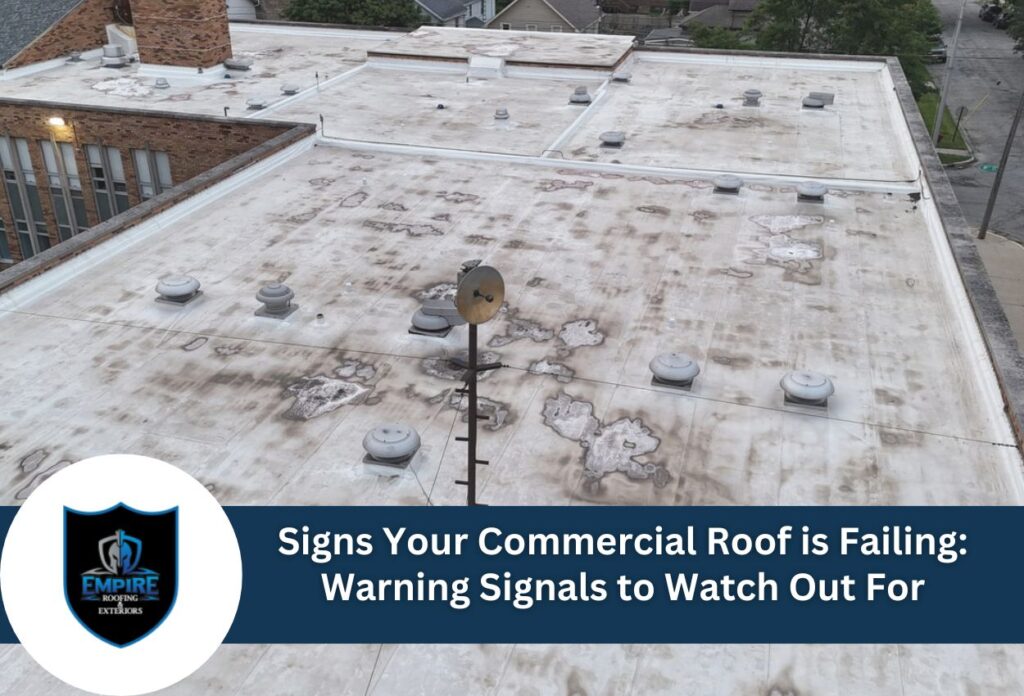

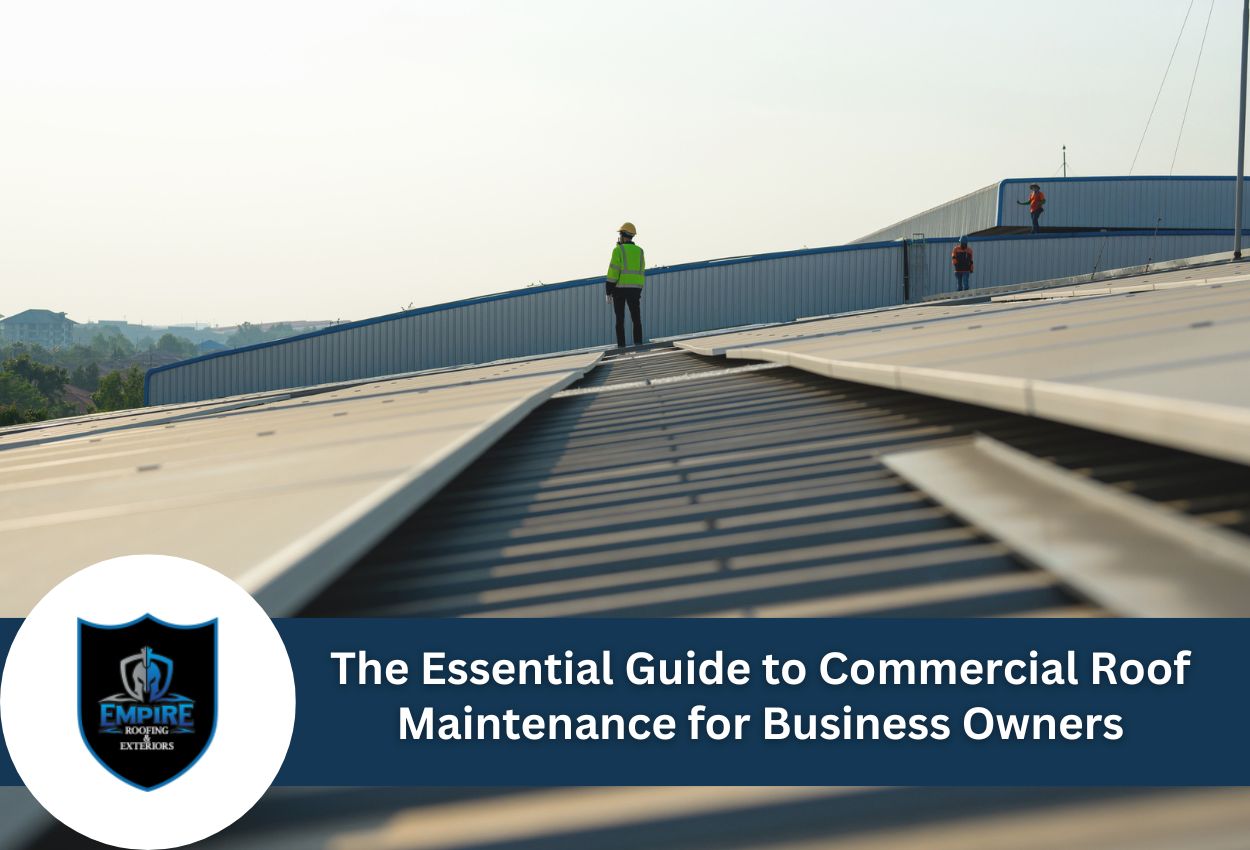
Commercial roofing systems rarely fail without warning. Most structural problems develop gradually, sending clear signals before reaching emergency status. Property owners who recognize these signs that their commercial roof is failing can prevent extensive damage and avoid expensive business interruptions.
Early detection makes the difference between manageable repairs and complete roof replacement. Commercial roof damage indicators often appear months before major failures occur. Water stains on interior walls, unusual energy bills, and visible membrane deterioration all signal developing problems that require professional evaluation.
Louisiana’s challenging climate creates specific failure patterns in commercial roofing systems. The combination of intense heat, heavy rainfall, and high humidity accelerates wear on flat roof systems commonly used in commercial construction. TPO, EPDM, and modified bitumen roofs each exhibit distinct flat roof deterioration symptoms as they age.
Understanding when to replace commercial roof systems requires knowledge of these warning signs. Regular commercial roofing inspections help identify problems early, but property managers must also recognize the warning signs of a leaking commercial roof between scheduled maintenance visits. Prompt attention to developing issues protects building integrity and maintains comfortable working conditions for occupants.
Water Damage and Moisture Problems You Can’t Ignore
Leaks are one of the most serious threats to commercial buildings. Visible water stains on ceilings and walls provide clear evidence of a compromised roof membrane.
Pooling water on interior surfaces signals immediate roof failure requiring emergency attention. Standing water near windows, along walls, or dripping from light fixtures demonstrates complete membrane breakdown. These leaking commercial roof warning signs demand swift professional intervention to prevent structural damage and electrical hazards.
Hidden moisture problems often precede visible water damage by weeks or months. Musty odors throughout the building indicate trapped moisture within wall cavities or ceiling spaces. This commercial roof damage indicator suggests water has been penetrating the structure long enough to promote mold growth and material deterioration.
Sudden changes in indoor humidity levels also reveal compromised roofing systems. Buildings that feel unusually damp or require increased air conditioning to maintain comfort may have developing failures in the roof’s membrane. These flat roof deterioration symptoms become more pronounced during rainy periods when the roofing system experiences maximum stress.
Regular commercial roof inspection helps detect these moisture issues before they escalate into emergency repairs or premature roof replacement decisions.
Structural Red Flags That Signal Serious Roof Deterioration
Visible structural deformation provides unmistakable evidence that commercial roofing systems have reached critical failure points. Sagging areas across the roofing surface indicate compromised decking or inadequate structural support beneath the membrane. These depressions often collect water, creating additional weight that accelerates structural deterioration and membrane breakdown.
Cracks appearing in roof membranes or along parapet walls can mean that there is significant movement within the building’s structure. These openings allow water to go directly into the building, making them serious commercial roof damage indicators requiring immediate professional evaluation. Linear cracks that expand over time demonstrate ongoing structural stress that threatens the entire roofing system.
Uneven surfaces across previously smooth roofs reveal substrate problems that compromise membrane integrity. Bubbling, ridging, or irregular textures indicate separation between roofing layers or movement in the underlying deck structure. These flat roof deterioration symptoms create stress points where future failures typically develop.
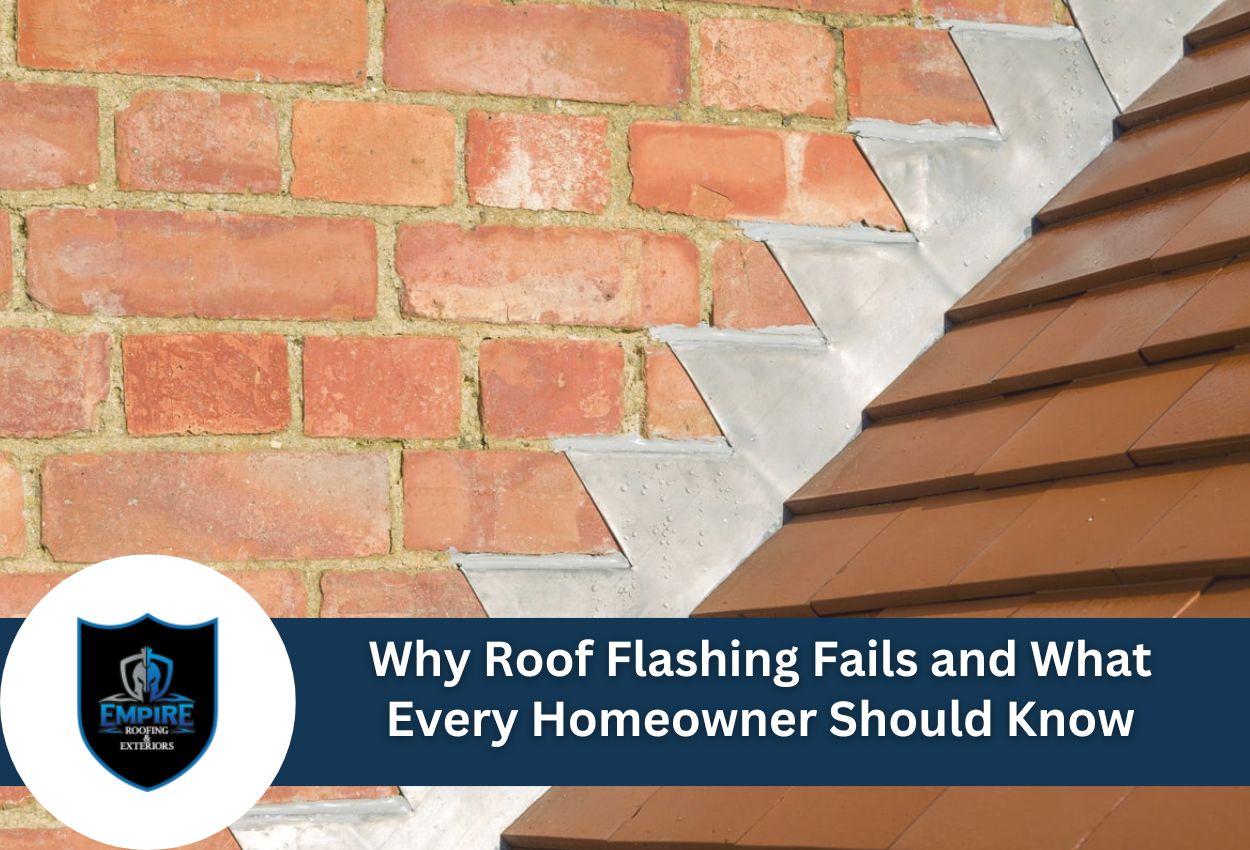
Separation at critical connection points creates direct pathways for water infiltration. Gaps appearing along flashing installations, membrane seams, or equipment openings eliminate the roof’s primary defense against leaks. When joints separate from expansion and contraction cycles, the resulting openings become entry points that allow water to reach structural components.
Surface Damage That Leads to Bigger Problems
Surface deterioration on commercial roofing systems creates vulnerabilities that escalate into major structural problems without timely intervention. Membrane tears and punctures expose the underlying protection layers directly to bad weather, allowing moisture to go deeper into the roof. These openings start small but expand rapidly under thermal stress and bad weather.
Worn areas on flat roof surfaces indicate membrane aging that compromises the entire protective barrier. Traffic patterns, equipment installations, and weather exposure create thin spots where the material loses its waterproofing properties. These flat roof deterioration symptoms often appear as lighter colored patches or areas where the surface texture differs from the surrounding membrane material.
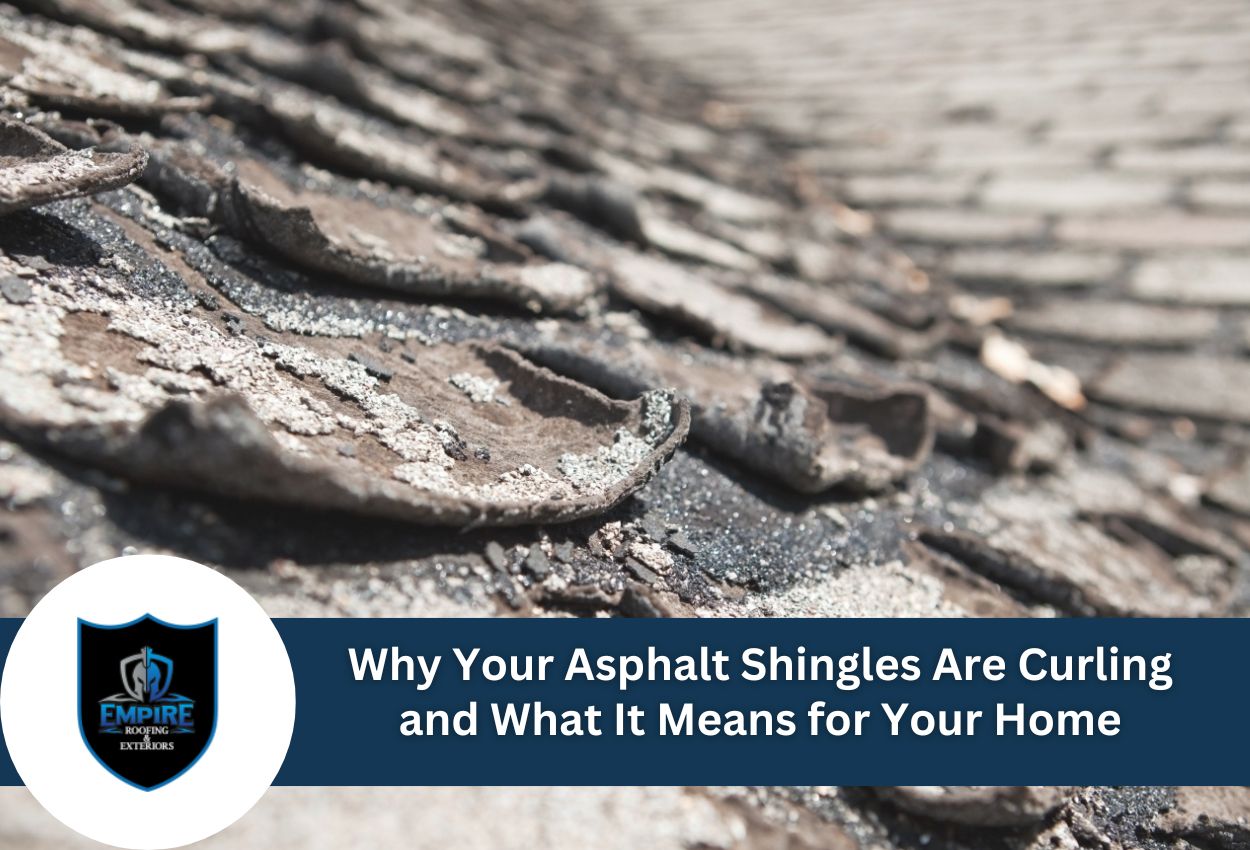
Traditional roofing materials display different but equally concerning surface damage patterns. Granule loss on modified bitumen systems leaves the underlying asphalt exposed to ultraviolet radiation and temperature extremes. This damage indicator accelerates further deterioration as the exposed material becomes brittle and prone to cracking.
Cracking and weathering on membrane surfaces create multiple entry points for water. These could be signs your commercial roof is failing. Issues like this often develop gradually but represent serious threats to the structural integrity of your building.
Regular commercial roofing inspection identifies these surface issues before they compromise the entire roofing system and necessitate emergency repairs.
Age and Performance Factors That Determine Replacement Timing
Commercial roofing systems have predictable lifespans that help property owners make informed replacement decisions. TPO roofs typically last 15 to 20 years, while EPDM systems often reach 20 to 25 years with proper maintenance. Modified bitumen roofs generally perform well for 10 to 15 years before showing significant deterioration. These timelines serve as baseline expectations for evaluating when to replace commercial roofing systems.
Installation quality and maintenance history can significantly impact actual roof performance beyond material specifications. Well-maintained roofing systems with regular professional inspections often exceed expected lifespans, while neglected roofs may require replacement years before reaching theoretical limits. Poor installation practices create premature failure points that accelerate deterioration regardless of the quality of the material.
Rising energy costs indicate declining insulation properties and increased air infiltration through aging membrane systems. These signs that your commercial roof is failing represent measurable impacts on building operating expenses that continue escalating until roof replacement occurs.
Frequent repair requirements signal that roofing systems have exceeded their useful service life. When monthly maintenance visits become necessary to address recurring leaks, membrane patches, or drainage problems, replacement becomes more cost-effective than continued repairs.
Professional Inspection Benefits and What Experts Look For
Professional roof inspections reveal problems that property owners typically overlook during routine building maintenance. Trained inspectors identify subtle commercial roof damage indicators that escape untrained observation, including minor membrane stress points, early drainage issues, and developing flashing failures. These seemingly insignificant problems can rapidly escalate into major structural damage without quick intervention.
Expert evaluations prevent expensive emergency repairs by catching flat roof deterioration symptoms before they compromise building integrity. Professional inspectors use specialized equipment to detect moisture infiltration, thermal bridging, and membrane adhesion problems that remain invisible to standard visual assessment. This early detection capability saves property owners thousands by addressing issues during the repair phase rather than waiting for complete system failure.
Inspection reports provide clear priority rankings that help property managers make informed decisions about whether to do repairs or full replacement. Professional assessments categorize findings into immediate concerns, scheduled maintenance needs, and long-term replacement planning. This structured approach eliminates guesswork about when to replace commercial roof systems and establishes realistic maintenance budgets.
Expert inspectors also identify leaking commercial roof warning signs that haven’t yet caused visible interior damage. Thermal imaging and moisture detection tools reveal hidden problems developing within the roofing assembly. Professional commercial roof inspection services document these findings with detailed reports and photographic evidence that support insurance claims and capital improvement planning decisions.
Taking Action Before Small Problems Become Major Disasters
Prompt response to emerging roofing problems prevents minor issues from escalating into catastrophic failures that require emergency repairs and business shutdowns. Creating structured timelines for addressing different commercial roof damage indicators helps property owners prioritize repairs based on severity and potential for further damage. Issues needing your immediate attention include active leaks, separated flashing, and visible membrane tears that allow direct water infiltration.
Medium-priority repairs typically involve surface wear, minor drainage issues, and early flat roof deterioration symptoms that haven’t yet compromised the building. These problems require attention within 3 to 90 days to prevent advancement into emergencies. Long-term planning items include normal aging indicators that signal approaching replacement needs but don’t threaten immediate building integrity.
Working with qualified commercial roofing contractors ensures proper diagnosis and appropriate repair strategies that extend the roof’s lifespan. Professional contractors understand which signs your commercial roof is failing require immediate intervention versus issues that can be scheduled during favorable weather conditions. This expertise prevents unnecessary emergency service charges while ensuring critical problems receive proper attention.
Preventive maintenance plans developed with experienced contractors address leaking commercial roof warning signs before they cause interior damage. These comprehensive programs include regular commercial roof inspection schedules, priority repair protocols, and replacement timing recommendations. Proactive maintenance approaches protect property investments while avoiding the disruption and expense associated with emergency roof failures that could have been prevented through fast intervention.
Don’t Let Roof Problems Escalate: Contact Empire Roofing & Exteriors Now!
If you’ve noticed any signs that your commercial roof may be failing, such as water damage, sagging areas, or visible surface deterioration, it’s important to take immediate action. Ignoring these warning signs can lead to severe structural damage and expensive emergency repairs that could disrupt your business operations. At Empire Roofing & Exteriors, we specialize in diagnosing and addressing commercial roof issues efficiently and effectively. Don’t wait for small problems to turn into major disasters.
For a professional inspection and to develop a tailored maintenance plan that suits your needs, call Empire Roofing & Exteriors today at (225) 347-8877. Protect your investment and ensure the longevity of your roof with our expert services.